Touchless Infrared Forehead Thermometer: Accurate at Home
Non-Contact Infrared Body Temperature Thermometer for All Ages: Quick, Hygienic Temperature Checks at Home
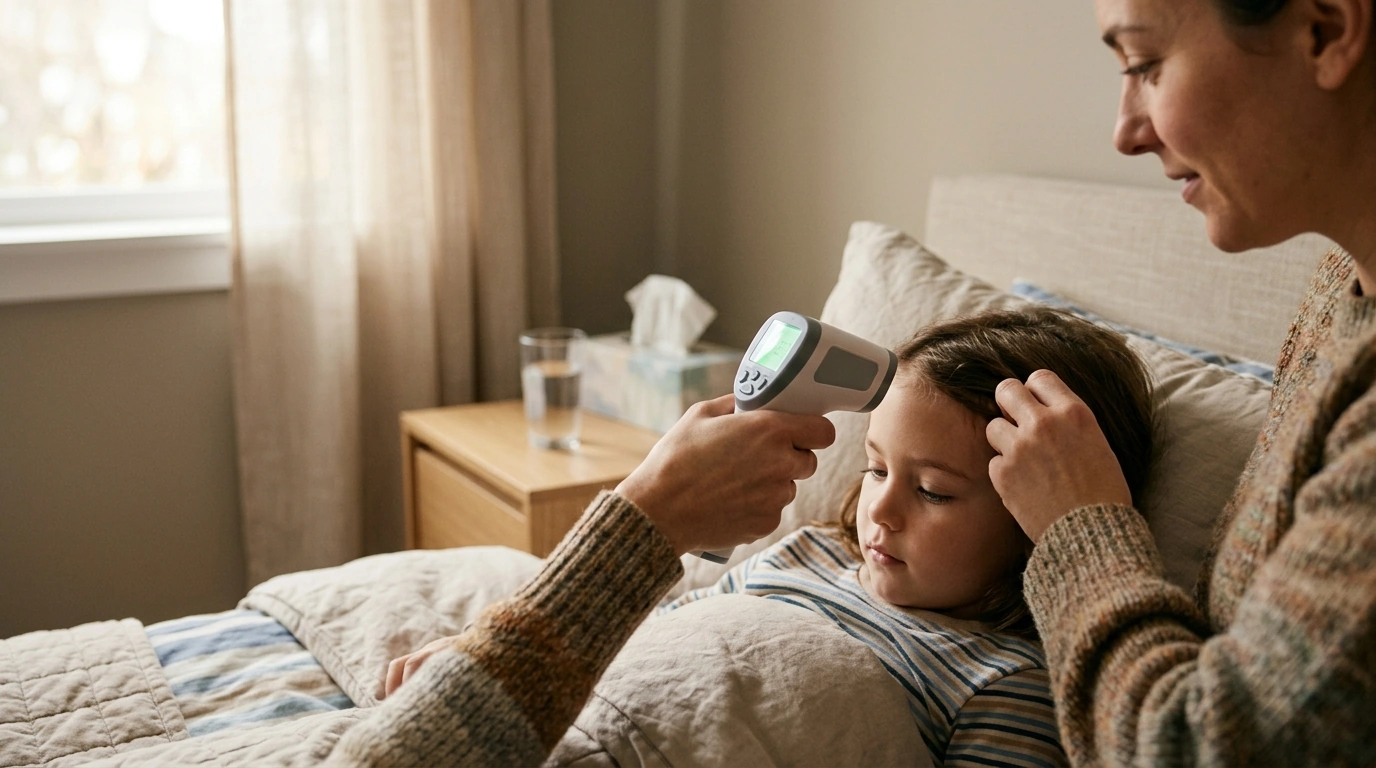
A non-contact infrared thermometer makes temperature checks fast and more comfortable for babies, kids, adults, and seniors—especially when rest, sleep, or infection control matter. These devices are designed for quick forehead readings without touching the skin, which can be helpful when you need frequent checks or want to avoid cross-contact. Below is a practical guide to how they work, what affects accuracy, and how to get consistent results in everyday situations.
Why non-contact temperature checks are useful for every age
- More comfortable for infants and children who may resist oral or underarm thermometers.
- Hygienic for shared use, reducing reliance on probe covers and heavy disinfection between people.
- Less disruptive when checking someone who is sleeping or resting.
- Practical for caregivers monitoring older adults when repeat checks are needed.
- Easy to keep on hand for households, classrooms, workplaces, and travel kits.
How infrared forehead thermometers work
Forehead infrared thermometers use sensors that detect heat emitted from the skin’s surface. The device converts that infrared energy into a temperature estimate based on its calibration. Since the reading is based on skin temperature (not a direct “core” measurement), technique and surroundings matter more than many people expect.
- Infrared sensors read heat from the skin surface and convert it into a temperature estimate.
- Most consumer models are designed for short-distance forehead use, often with a distance guide or recommended range.
- Results typically appear in seconds, making it easy to repeat a check for confirmation.
- Readings reflect skin temperature and device calibration—not internal core temperature—so routine and stable conditions improve consistency.
For additional background on these devices and performance considerations, the FDA overview is a helpful reference: U.S. Food & Drug Administration (FDA) — Non-contact temperature assessment devices.
Getting accurate readings: a simple, repeatable routine
Consistency is the goal. A reliable routine reduces “mystery swings” that come from sweat, motion, airflow, or holding the device at different distances.
- Acclimate after coming indoors. If someone has been outside in hot or cold weather, wait about 10–15 minutes in a stable room.
- Keep the forehead clean and dry. Wipe away sweat, lotions, or makeup that can insulate or cool the surface.
- Clear the measurement area. Move hair aside and avoid measuring over hats, hoods, or headbands.
- Use the recommended distance. Hold the thermometer straight-on and aim for the center of the forehead (or as directed by the device).
- Confirm with 2–3 readings. If values vary, use the most consistent number; large jumps usually mean distance or aiming changed.
- Wait after heat exposure. After exercise, a hot shower, or a heating pad, allow time for the skin to return to normal.
What can skew a non-contact reading
- Environmental shifts such as outdoor heat/cold, strong air conditioning, or direct sunlight.
- Wet skin or sweating, including a recent face wash with cold/hot water.
- Distance and angle errors (too far away or not straight-on).
- Barriers like hair, thick makeup, or hats/hoods.
- A smudged lens or dusty sensor window; gentle cleaning improves reliability.
- Low battery on some models, which may lead to inconsistent results.
Forehead readings vs. oral, ear, and underarm methods
No single method is perfect for every moment. Forehead infrared checks excel at speed and minimal disturbance, while contact methods can be better for confirmation when readings don’t match how someone feels. For a deeper overview of options, see: Mayo Clinic — Thermometers: Understand the options.
Common temperature check methods: practical trade-offs
| Method | Pros | Limitations | Best for |
|---|---|---|---|
| Non-contact forehead (infrared) | Fast, hygienic, minimal disturbance | Technique- and environment-sensitive | Quick screening, sleeping children, frequent checks |
| Oral (digital) | Often closer to internal temperature | Hard for toddlers; affected by eating/drinking | Cooperative older children and adults |
| Ear (tympanic) | Quick and convenient | Placement and earwax can affect readings | Older infants/children and adults when used correctly |
| Underarm (axillary) | Simple and safe | Can read lower; slower | Infants and situations needing a gentle approach |
What “fever” can mean and when to seek care
General public guidance is also available from the CDC: Centers for Disease Control and Prevention (CDC).
Care, cleaning, and storage
Everyday use cases: from bedtime checks to travel
Product spotlight: Non-Contact Infrared Body Temperature Thermometer for All Ages
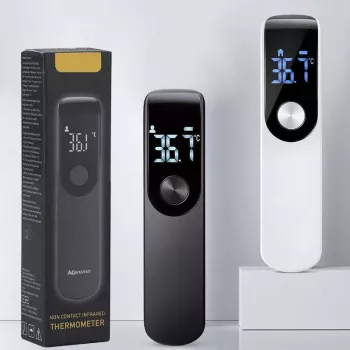
If you want a straightforward tool for quick, touch-free checks across the whole household, the Non-Contact Infrared Body Temperature Thermometer for All Ages is designed for fast forehead readings with minimal disturbance. It’s a practical choice for repeat measurements—especially when paired with a simple written log of readings and symptoms to share with a caregiver or clinician.
- Essential Adult Skills Guide | Budgeting, Communication, Media Literacy & Life Management Tips for Everyday Success (useful for organizing routines, records, and household planning)
- Fuel Your Life: The Ultimate Healthy Eating Starter Bundle (supportive for wellness-focused meal planning during busy seasons)
FAQ
How far from the forehead should a non-contact thermometer be held?
Use the distance recommended in your device instructions. Holding it too far away or at an angle can cause inconsistent readings, so keep distance and aim consistent and repeat 2–3 times to confirm stability.
Why does the temperature change when measured twice in a row?
Small differences can come from motion, a slightly different distance, sweat, airflow, or aiming at a new spot. Re-check under steady conditions, keep the same distance, and use the most consistent reading across 2–3 measurements.
Is a forehead infrared thermometer accurate for babies?
It can be helpful for quick screening, but it’s more sensitive to technique and the environment than some contact methods. If a baby seems unwell or the number doesn’t match symptoms, repeat under stable conditions and confirm with another method or contact a clinician.









Leave a comment