Solo Travel Safety Routine: Plan, Habits & Checklist
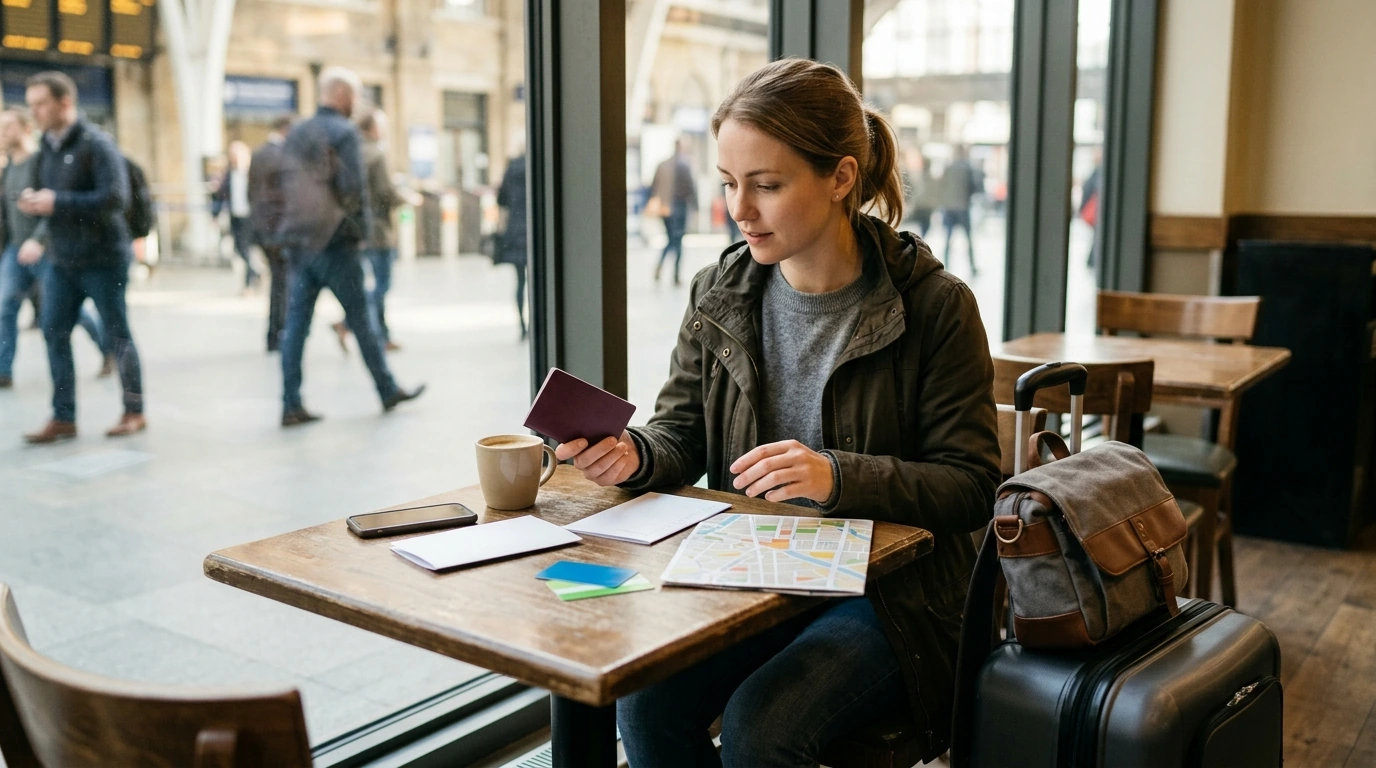
Solo Traveler’s Guide to Staying Safe: Practical Planning, Everyday Habits, and a Ready-to-Use Checklist
Solo travel can feel freeing and empowering, but it also places all the decisions—routes, timing, lodging, and communication—on one person. A calm, repeatable safety routine helps reduce risk without limiting spontaneity. The guidance below focuses on practical planning steps, on-the-ground habits, and a checklist mindset you can use before departure, during transit, and throughout your trip.
Start with a simple safety plan (before booking anything)
Safety gets easier when you decide the “defaults” ahead of time. Before you lock in flights or trains, set a baseline that keeps you out of rushed, high-stress situations.
- Pick a trip baseline: arrive in daylight when possible, keep first-night lodging straightforward, and avoid tight connections that force snap decisions.
- Create a one-page emergency card (digital + paper): local emergency number, embassy/consulate contact, lodging address, medical info, and a home emergency contact.
- Set check-in expectations: agree on how often you’ll check in, what counts as a “missed check-in,” and what your contact should do if you go silent.
- Research practical risks: focus on common scams, pickpocket zones, neighborhood-level guidance, and transit reliability.
- Build a “decision rule” for nights out: a time to stop drinking, a time to head back, and a preplanned route or ride option.
Pre-Trip Safety Planning Checklist (quick reference)
| Task | Why it matters | When to do it |
|---|---|---|
| Save emergency numbers + embassy/consulate details | Speeds up response when stressed or offline | Before departure |
| Share itinerary + lodging addresses with a trusted contact | Creates a reliable trail if plans change | Before departure + after changes |
| Backup documents (cloud + email + paper copy) | Helps replace passport/cards faster | Before departure |
| Set daily check-in message template | Reduces friction; makes routine consistent | Before departure |
| Plan first 24 hours (arrival, SIM/eSIM, transit, food) | Prevents risky improvisation while tired | Before departure |
For a ready-made, printable-style routine you can keep on your phone, consider the Solo Traveler’s Guide to Staying Safe (digital PDF).
Choose lodging with safety in mind (without overpaying)
The goal isn’t “the fanciest place.” It’s a place that makes coming and going simple, predictable, and well-supported.
- Prioritize location and access: well-lit streets, reliable transit nearby, and a short, simple route back at night.
- Look for specific security features: 24/7 reception or secure self-check-in, solid door locks, window locks, and secure luggage storage.
- Read recent reviews for patterns: repeated mentions of theft, broken locks, or aggressive sales/scams matter more than one-off complaints.
- Request room placement that fits your comfort level: often best is away from easy ground-floor access but not isolated at the far end of a corridor.
- Do a “reset routine” on arrival: confirm exits, test locks, identify a safe late-night food option, and locate the nearest pharmacy or clinic.
Street-smart routines for daily movement
Small habits reduce exposure without turning your day into a constant security drill.
- Use a low-friction carry system: one secure day bag, valuables in internal pockets, and minimal wallet exposure.
- Practice awareness without paranoia: pause to scan before exiting transit and avoid being absorbed in your phone while walking.
- Protect phone access and location: use a strong passcode, reduce lock-screen notifications, and decide what you’ll do if the device is snatched.
- Choose routes for predictability: well-lit main streets at night, fewer transfers, and known pickup points for rides.
- Have a short script for unwanted attention: polite decline, keep moving, don’t over-explain, and step into a staffed business if needed.
Transportation safety: airports, trains, buses, and rides
Transit days are when fatigue and distraction peak, so build in extra structure.
- Arrivals: confirm transit options before landing and avoid last-minute negotiations outside terminals when you’re tired.
- Public transit: keep bags closed and in contact near doors and during boarding; step aside to check directions instead of stopping in the flow.
- Rideshare/taxi: verify vehicle and driver details, sit in the rear seat, and share trip status with a trusted contact when appropriate.
- Long-distance buses/trains: keep essentials on-body (documents, cards, meds) and avoid putting valuables in external pockets while sleeping.
- If something feels wrong: exit early in a populated area, enter a staffed location, and reset plans rather than pushing through.
Digital safety while traveling solo
Your phone is your map, wallet, and lifeline. Treat it like the critical travel document it is.
Personal health and emergency readiness
A lightweight solo safety routine (morning, afternoon, night)
If you like having a small, reliable light source for power outages, dim hallways, or late-night returns, the Retro Horse LED Lantern is an easy, low-cost add-on for a travel kit.
Using a checklist so safety stays simple
For destination-specific updates and general travel guidance, consult U.S. Department of State — International Travel and health recommendations from CDC — Travelers’ Health.
FAQ
What are the most important safety steps for a first-time solo traveler?
Start with a clear arrival plan, a shared itinerary, and document backups, then build a simple daily check-in routine. Choose lodging with reliable access and strong review patterns, and keep essentials (ID, one payment method, phone, meds) on-body.
How can solo travelers reduce risk at night without skipping nightlife completely?
Set boundaries before you go out (alcohol limit, a leave-by time, and a planned route home), and stick to well-lit, predictable areas. Keep enough battery for navigation, and regroup in staffed locations if anything feels off.
What should be kept on-body versus in a bag while traveling solo?
Keep passport/ID, your phone, one payment method, essential meds, and your room key on-body. Store backups (extra cards, extra cash, copies of documents) in a separate place so one loss doesn’t become a total loss.








Leave a comment